Statuses

A quick note on using polyimide tubing

In Uncategorized on February 1, 2014 by propblocks

A quick note on using polyimide tubing

By: Mike Kirda

I can’t make tissue tubes consistently to save my life. I can make a dozen just to get one that fits. Then I go to replace a component and discover it won’t fit due to different size tissue tubes. Frustrating to say the least.

I believe I first heard about Polyimide tubing from Jake Palmer. He sent me some and I immediately fell in love with the stuff. You can get in all kinds of sizes. Amazon Supply is probably the easiest source. Various medical supply houses can supply others – A quick search on Google will find you several suppliers.

So what is it and why is it better?

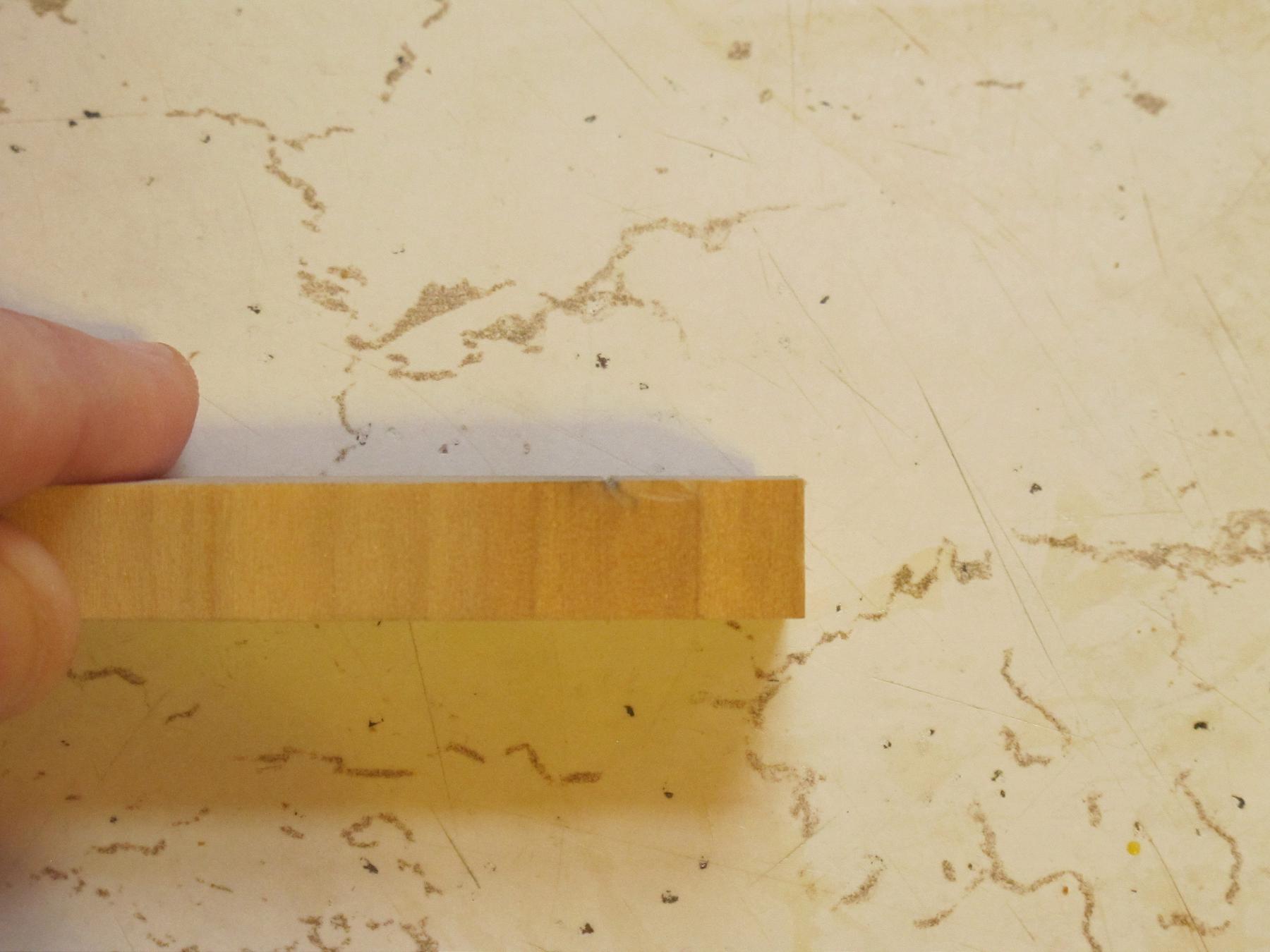
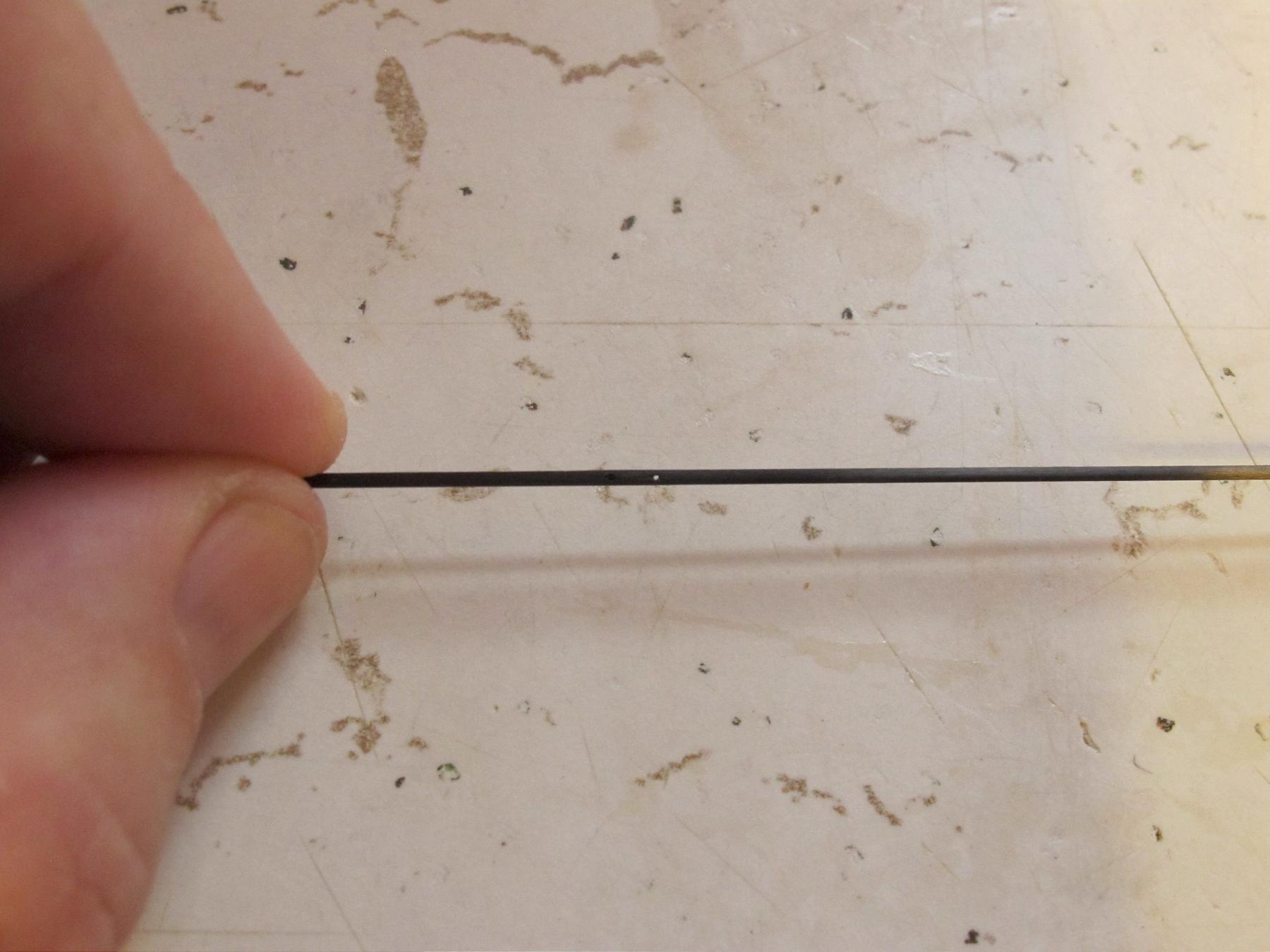
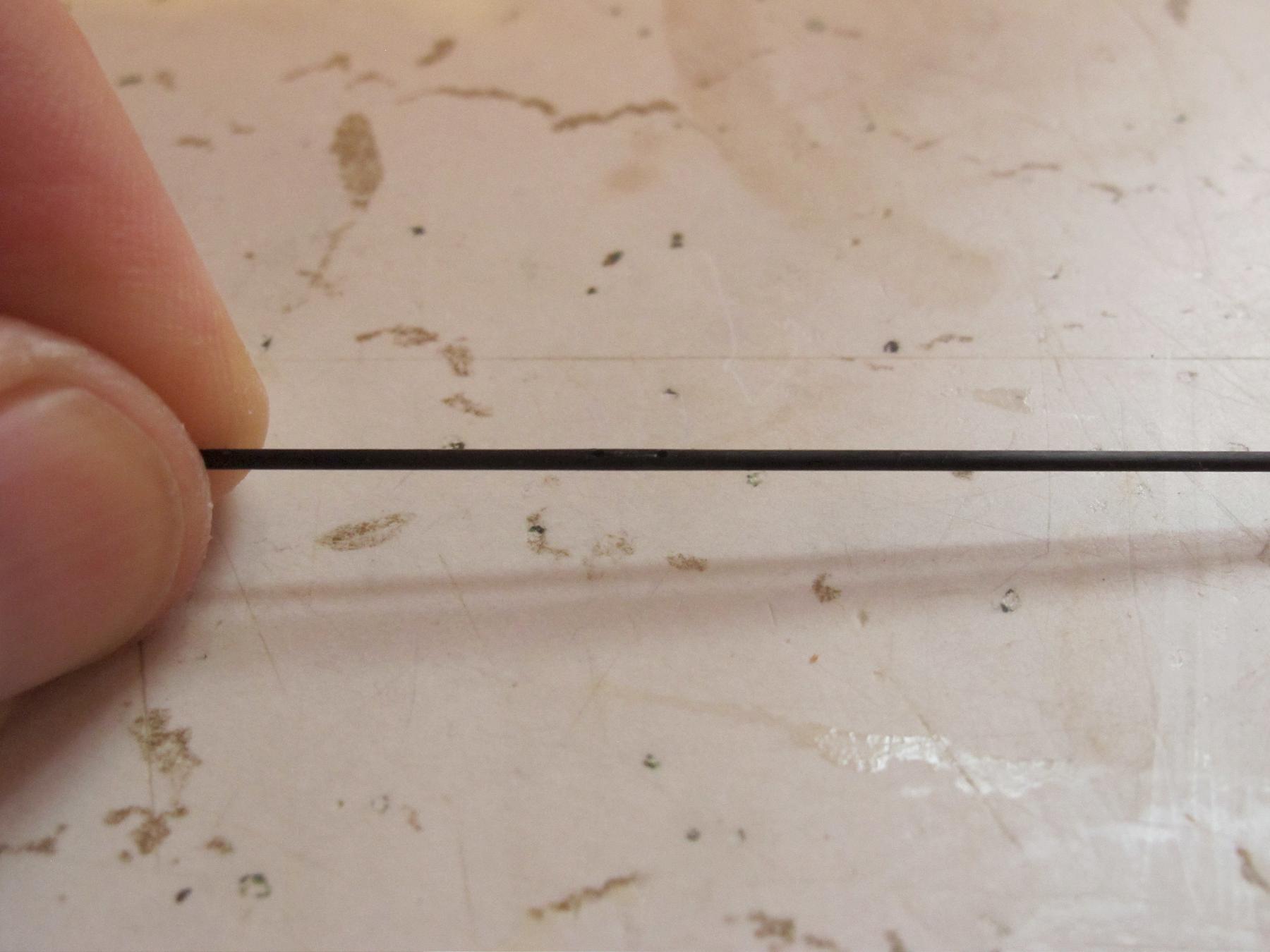
Single and double wall - Double is much darker

Single and double wall – Double is much darker

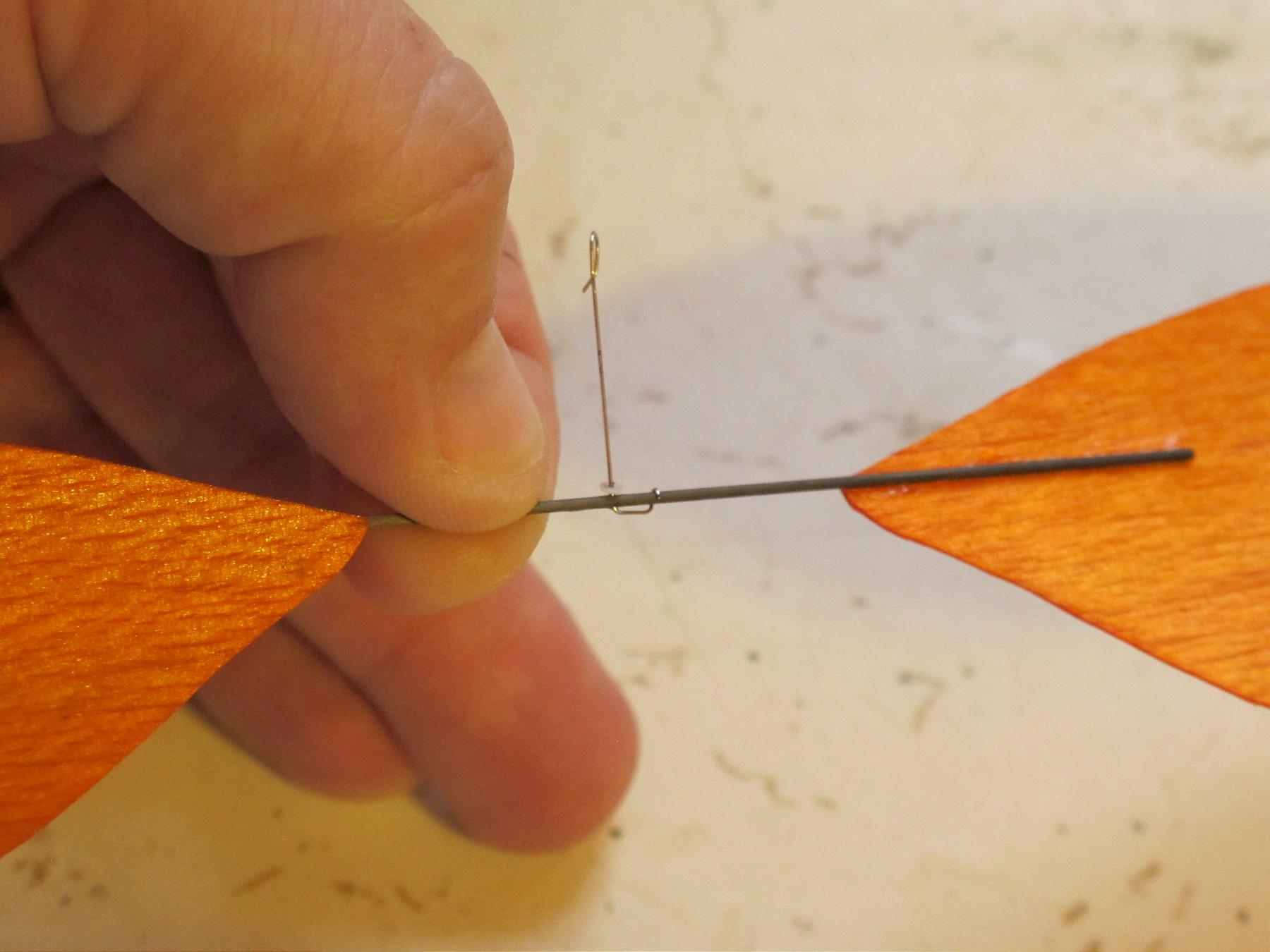
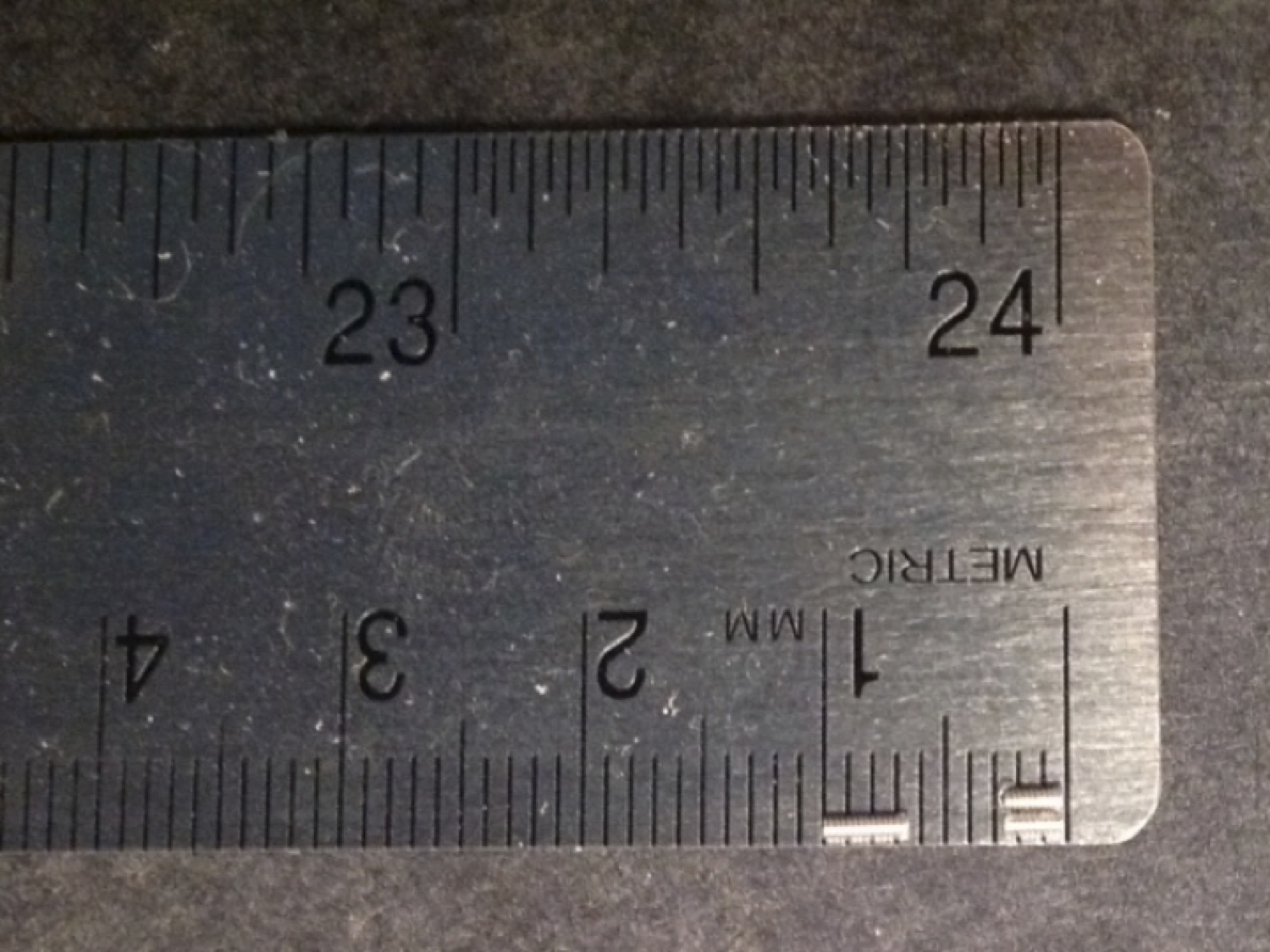
The tubing is straight, strong, light and consistently sized. For the non-chemists, it is kind of like plastic/nylon tubing, but thinner. It will come in three wall sizes, they call it single, double and triple wall – Essentially 0.00125, 0.0025, or 0.00375″ thick walls. For our purposes, single or double wall is ideal. Single wall is typically sufficient for lighter classes, double wall for heavier.

The tubing is ideal for connecting parts. Wings to wing posts. Stabs to stab posts. Prop shafts to prop hubs. You get the idea – anywhere tissue tubes are typically used.

The one down side – nothing we typically use for glue likes to stick to it. There is one pre-step to gluing. Wherever you need to glue it down, you need to coat the tube with the lightest amount of thin cyanoacrylic (CA) you can get away with. Ambroid/Duco stick well to CA.

For wing posts attached to a fuse, a light bit on one side is all you need.

For attaching a wing to a wing post, a bit of glue on the contact surface and on the sides. A bit of balsa triangle will help to anchor the post to the wing.

For a prop spar, you need a bit of CA on just on the inside of the tube, then use the normal celluloid glues. A touch of acetone will loosen it up without fear that the tissue tube itself will turn to mush.

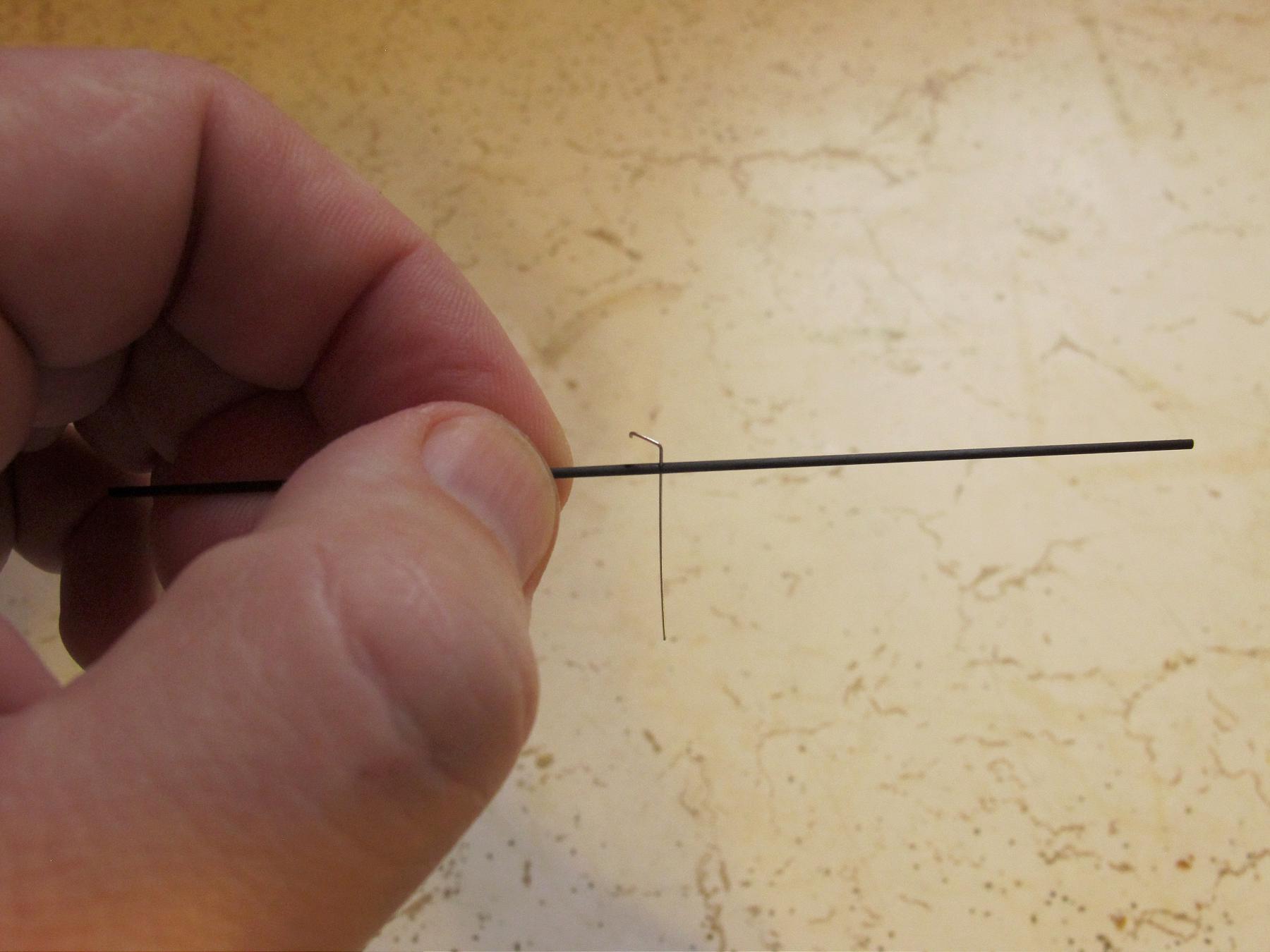
Use a bit aluminum foil as a pot for thin CA and a pin to dip into the CA and apply it to the tubing.

Matching wing posts to the tubing can be done in few ways:

  1. Careful sanding
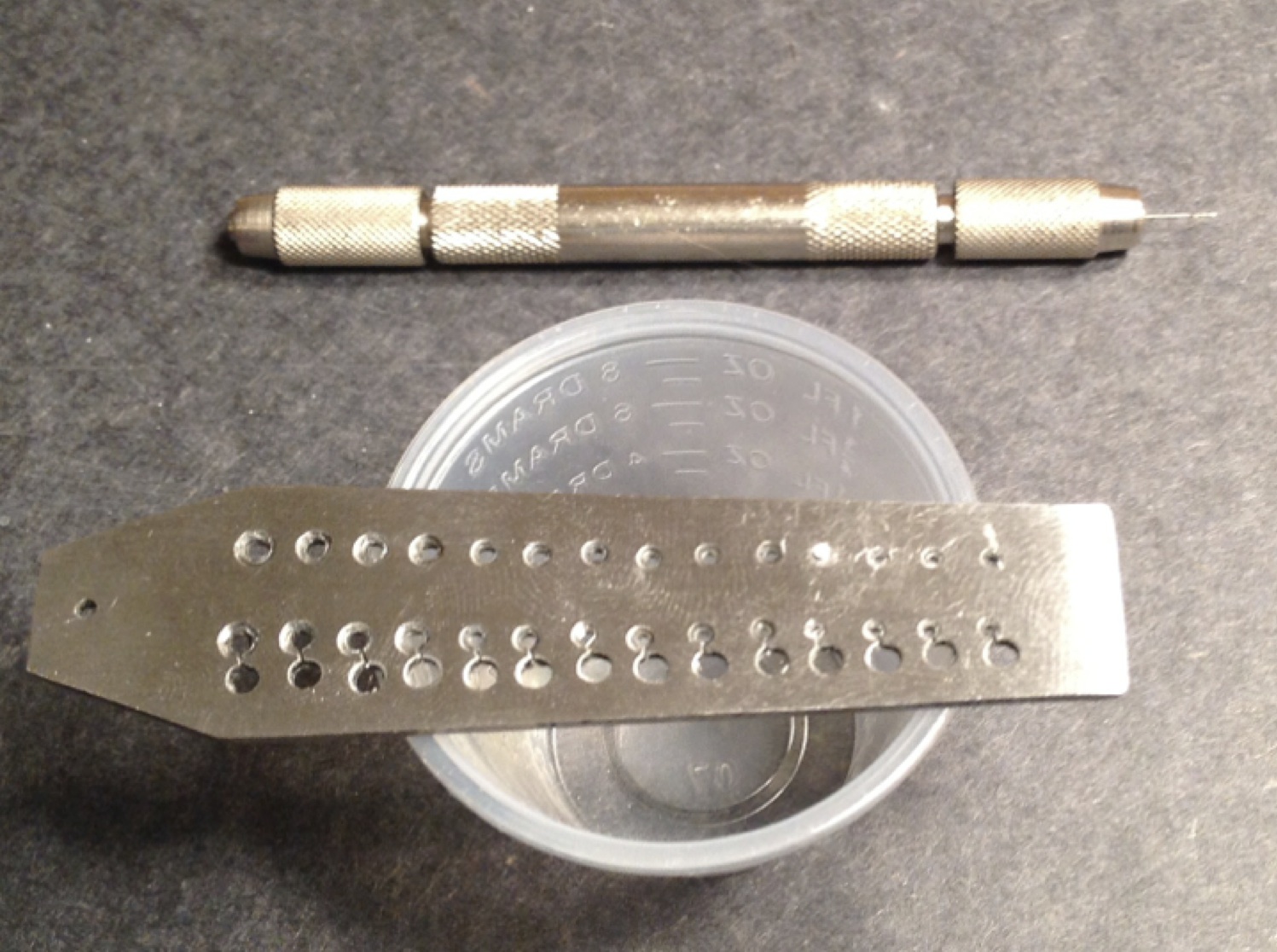
  2. Use of a draw plate to as a dowel maker for balsa
  3. Use of the tubing itself – Just jam it into the tube and it will remove the excess. (This is my current favorite.)

Cutting the tubing may be a bit tricky at first.

  • For parts that do not require a lot of insertion – i.e. prop spar tubes, I just use sharp scissors.
  • For other parts, it is best to shove a bit of light scrap balsa into the tube, then use a razor blade to cut it. I just use whatever double edge blade I have on hand typically to cut it this way. A sharp single edge blade should also work well.
  • Art Holtzman has offered another way – Insert a numbered drill bit that fits inside and cut with blade around the bit.

A public thanks to Jake Palmer for turning me on to this tubing and also LeoP and Kang Lee for the initial help in learning how to use it.

I also have some for sale – 0.080″ ID single wall tubing that is ideal for F1D VP hubs. See: http://propblocks.com/miscellaneous-stuff/

Statuses

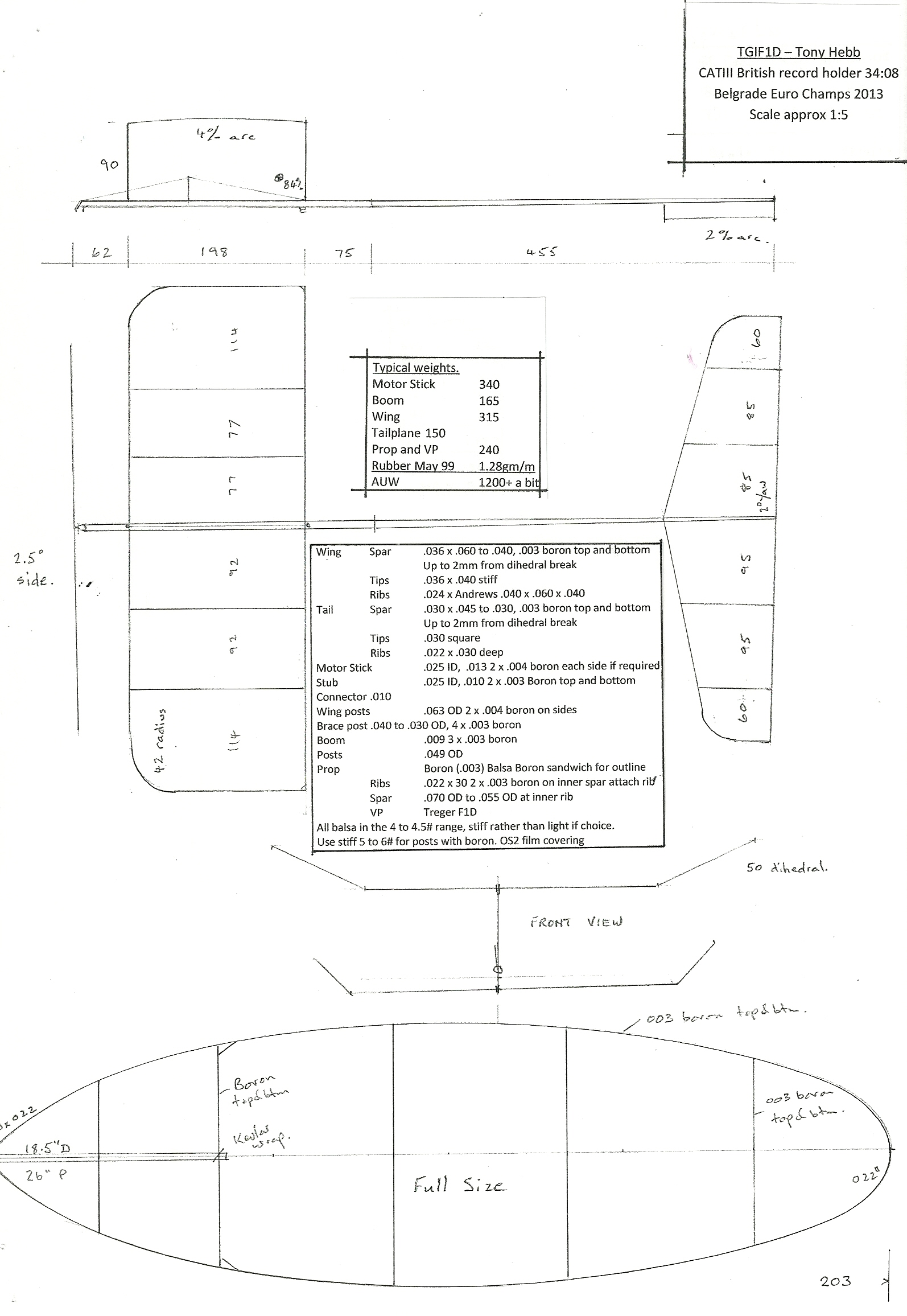
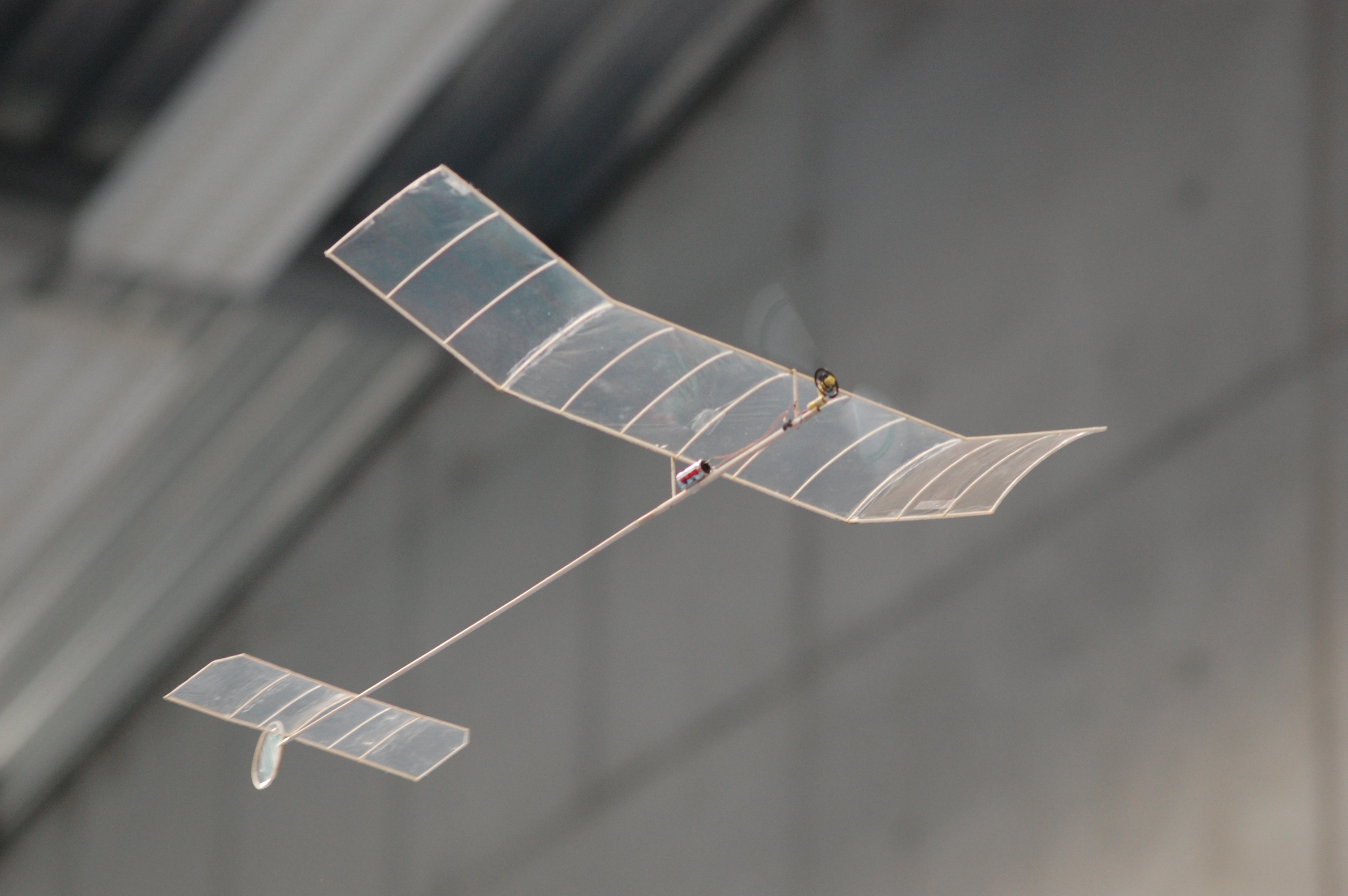
Tony Hebb’s F1D

In Uncategorized on January 27, 2014 by nicholasandrewray


Tony Hebb’s F1DTGIF1D plan0001Click here to download a PDF of Tony’s plan.


Statuses

Indoor flying with Supercaps

In Uncategorized on January 10, 2014 by nicholasandrewray

Indoor flying with Supercaps

We are a group of 6 or 7 indoor flyers in Southern Germany using the new high density capacitors such as the “Green Caps” from Samwha for powering indoor models. The supercaps have a 5 or 10 Farad capacity and weigh about 2 or 3 grams. If one cuts the legs and removes the plastic coating the caps get about 0.3 gms lighter. Principally, one can use the structure of an F1M or F1L with a lighter fuselage, because the extreme torques caused by the rubber band are missing. The structure should weigh about 1.4 gms and be strong enough to bear 5 or 6 gms in total. The coreless 6 mm pager motor with a resistance of 10 or 30 Ohms weighs 1.3 gms and the 1:6.6 or 1:9 gear another0.7 gm. We also tested 4 mm coreless motors that are also usable but the gear with modul 0.2 is more difficult to handle. The 6 mm types show about 50% efficiency, the 4 mm types only 35-40%. Total efficiency of the drive ranges at about 20%, including propeller and gear losses. Depending on the equipment, the ready to fly weights range from 5.0 to 6.2 gms.

The propeller diameters range from 120 to 135 mm and the pitch ranges from 70 to 110 mm depending on the gear ratio. I use blades made from 0.4 mm C-grain with spars from 0.7 mm CF. Other people make their blades from thin plastic (yogurt) cans.

What are the flight times? We started with 1:30 min and now – one year later – we are at 5:30 min. Theoretically,  with a medium current of 30 mA, a flight time of max. 6 minutes should be  possible. Roland Oehmann flew already 5:40. The green caps with a 2.7 Volts reference value can obviously be loaded up to 3.4 Volts taking no noticable damage. Then, a voltage range from 3.4 to 2.2 Volts is usable. Load times are from 30 to 60 seconds depending from capacity. Note: If the final voltage is reached the current flows another 10 to 20 seconds enhancing the total charge of the cap.

Charging is possible from any power supply that allows for a 3.4 Volts default value. No preresistor is necessary. Some people use a full 4.15 Volts Lithium cell and a silicon diode with the 0.7 Volts gap voltage loss in series. Please mind the high load currents of some Amps in the first seconds. But you can also cut them by presetting an upper current-limit.

Motors and gears come from www.Didel.com

Author: Heinrich Eder, Munich, Germany, eder-h@arcor.de

Pics:

1 The authors "Capino I" driven by a 4 mm coreless motor, gear ratio 1:10 and a 5 Farad Green Cap

1 The authors “Capino I” driven by a 4 mm coreless motor, gear ratio 1:10 and a 5 Farad Green Cap

P1020109

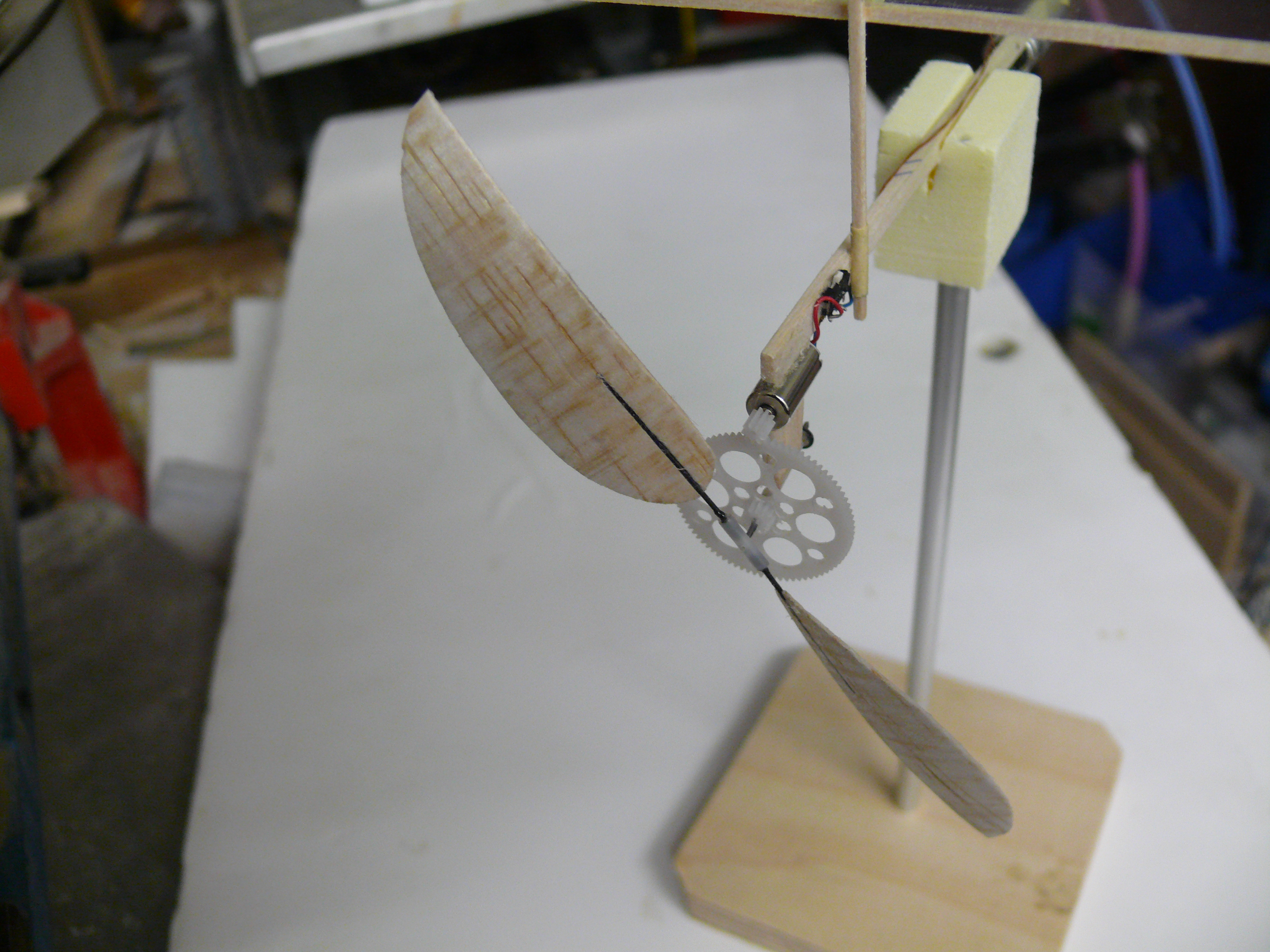
2 “Capino 2” is driven by a 6 mm coreless motor 30 Ohm with a 1:9 gear

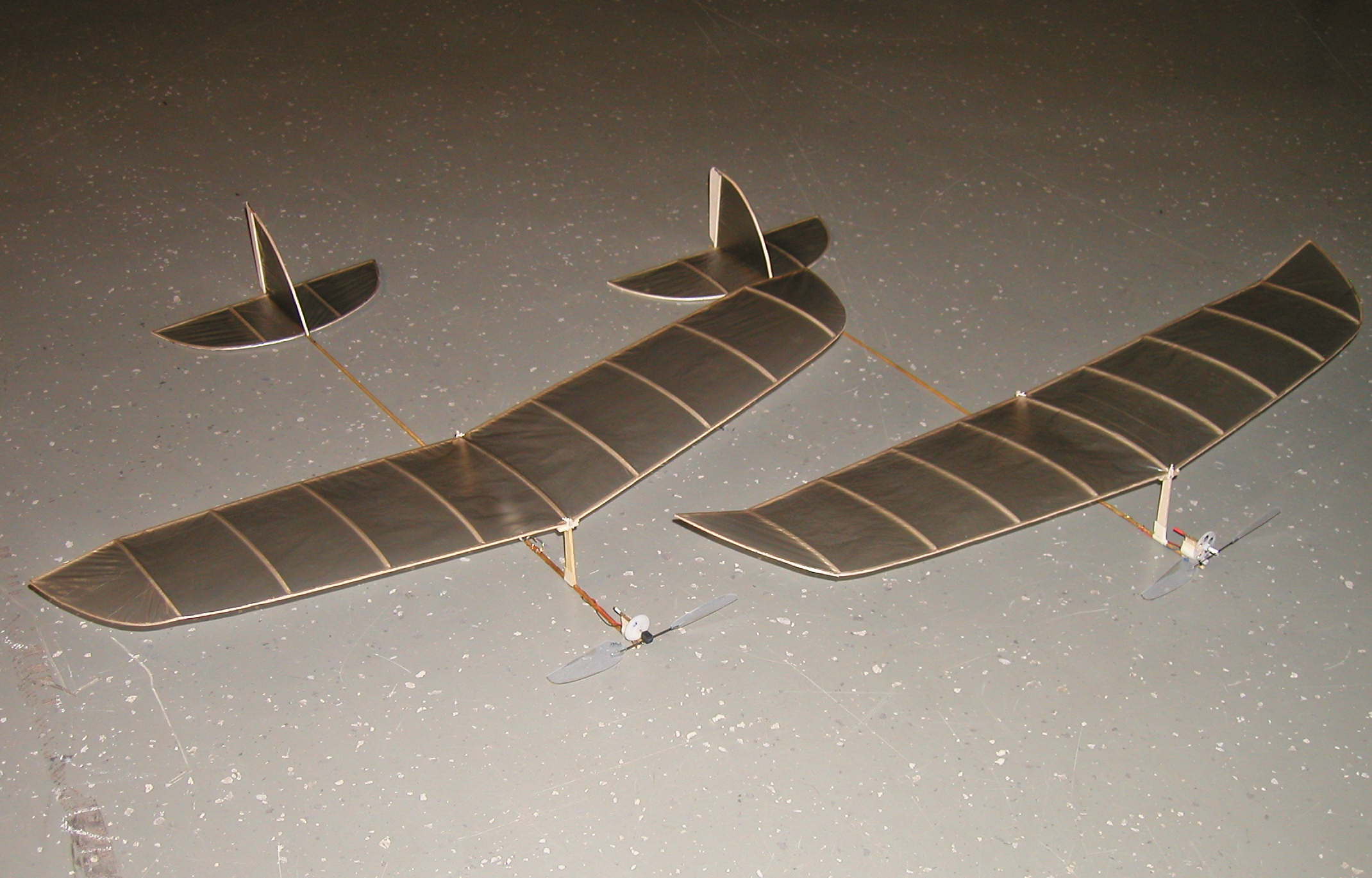
3 The models "Cappy I and Cappy II" from Roland Oehmann, Stuttgart, Germany

3 The models “Cappy I and Cappy II” from Roland Oehmann, Stuttgart, Germany

Statuses

LPP Carbon Prop Spar

In Uncategorized on January 10, 2014 by propblocks

LPP Carbon Prop Spar

By Mike Kirda

Recently I built a Limited Penny Plane to compete in the Bong Eagles contest. I’ve been pretty hard on LPP props in the past – Racine Memorial Hall’s ceiling is quite scrubbable, but I still broke my fair share. Determined to avoid this, I built a very robust prop spar: 7# balsa, 0.125″ center tapered to 0.080″ tip.

On my last flight of the day, the plane hit a railing and broke the prop spar while walking down the wall. It was centered on an open door and flew into the next room where many contestants were set up. All had a good laugh as my ‘Korda Wakefield’ continued to bang around the ceiling just out of reach for the next couple of minutes.

I wasn’t very happy to be honest – I kept thinking “Stupid Spar”. I thought back to Kang Lee’s Carbon VP hub and the carbon tube it used and wondered how well it would work…

The carbon tube is very strong and the blades needed less support than I imagined. I built a couple of new props using the carbon tube, trying them out at the next flying session and they worked very well.

One bit about carbon: Be careful around the dust. I use a vacuum to keep it down, plus use a particulate mask if cutting it indoors. Outdoor might be a better option. All cuts are made with a Dremel and diamond cutoff wheel.

To make the carbon spar, cut a length of 0.039″ carbon tube ~4″ long.

Alternatively you might just want to drill the hole 2″ from the end of the tube before cutting it off. This way if you goof up, you only lose 2″ instead of 4.

A bit of experimentation on length here might be best. At the center, drill a hole through using a #80 drill bit on a drill press. This fits a 0.013″ prop shaft perfectly. Alternatively a #78 or #79 bit should work if you want to use 0.015″ music wire instead.
The best way to drill the hole is to lock the tube tightly into a 0.040″ slot.

You can purchase a router bit this size and feed a bit of wood through a router table (or drill press very slowly) to get the slot cut. Alternatively a bit of 1/16″ ply base with some 1/32″ ply to make a 0.040″ gap would work.

Next I drill another hole about 1/8″ away from the center, drilling just to the center of the tube. You can bend the prop shaft over to go into this hole. A bit of Kevlar thread and glue will bind it together. Just add a Teflon washer and rubber hook to your liking.

Next put the the spar into your prop pitch fixture. Add glue (Ambroid) directly to the carbon tube, then put the blade on top. Quickly tape the blade in place with blue tape. The spar may also be taped to the underside of the blade. Let dry completely, then check the pitch. Sometimes the glue shrinkage will change the pitch. A bit of acetone to loosen it, twist a bit more in the opposite direction, then let dry. Keep at it until you get it right. Adding plasticizers to the glue may help.

CST or ACP will carry the 0.039″ carbon tube. You may be able to order through a local hobby shop.

Slot for drilling jig

Slot for drilling jig

Side view of slot for drilling jig

Side view of slot for drilling jig

Tube pushed into place for illustration

Tube pushed into place for illustration

Holes from top

Holes from top

Tube turned slightly to show both holes

Tube turned slightly to show both holes

Prop shaft inserted

Prop shaft inserted – Not aligned to show hole.

Alternative prop shaft holder does not require second hole

Alternative prop shaft holder does not require second hole

Spar glued onto prop blade

Spar glued onto prop blade

Statuses

Walt Van Gorder’s Ministick

In Uncategorized on December 18, 2013 by nicholasandrewray

Walt Van Gorder’s Ministick

Van Gorder 1

Van Gorder 2

Click here to download a copy of Walt’s Plan.

Statuses

2014 International Indoor Postal Contest

In Uncategorized on December 2, 2013 by nicholasandrewray

3612525The links posted above are not encoded correctly. Please use the link posted below instead to download information about the contest.

https://indoornewsandviews.com/wp-content/uploads/2013/12/postal_contest_2014.pdf

Statuses

Three Reflections on the Life of Tony Italiano

In Uncategorized on November 21, 2013 by nicholasandrewray

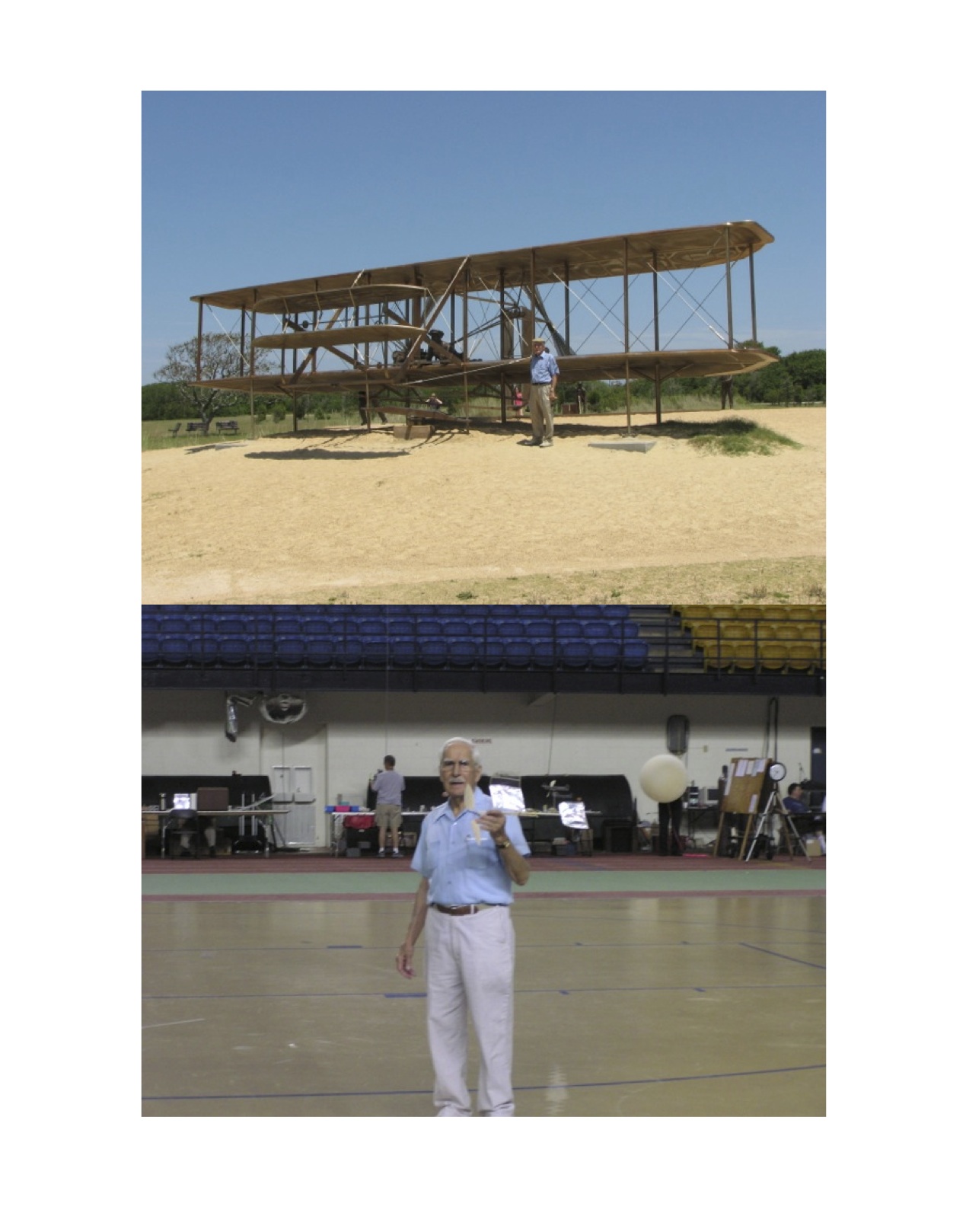
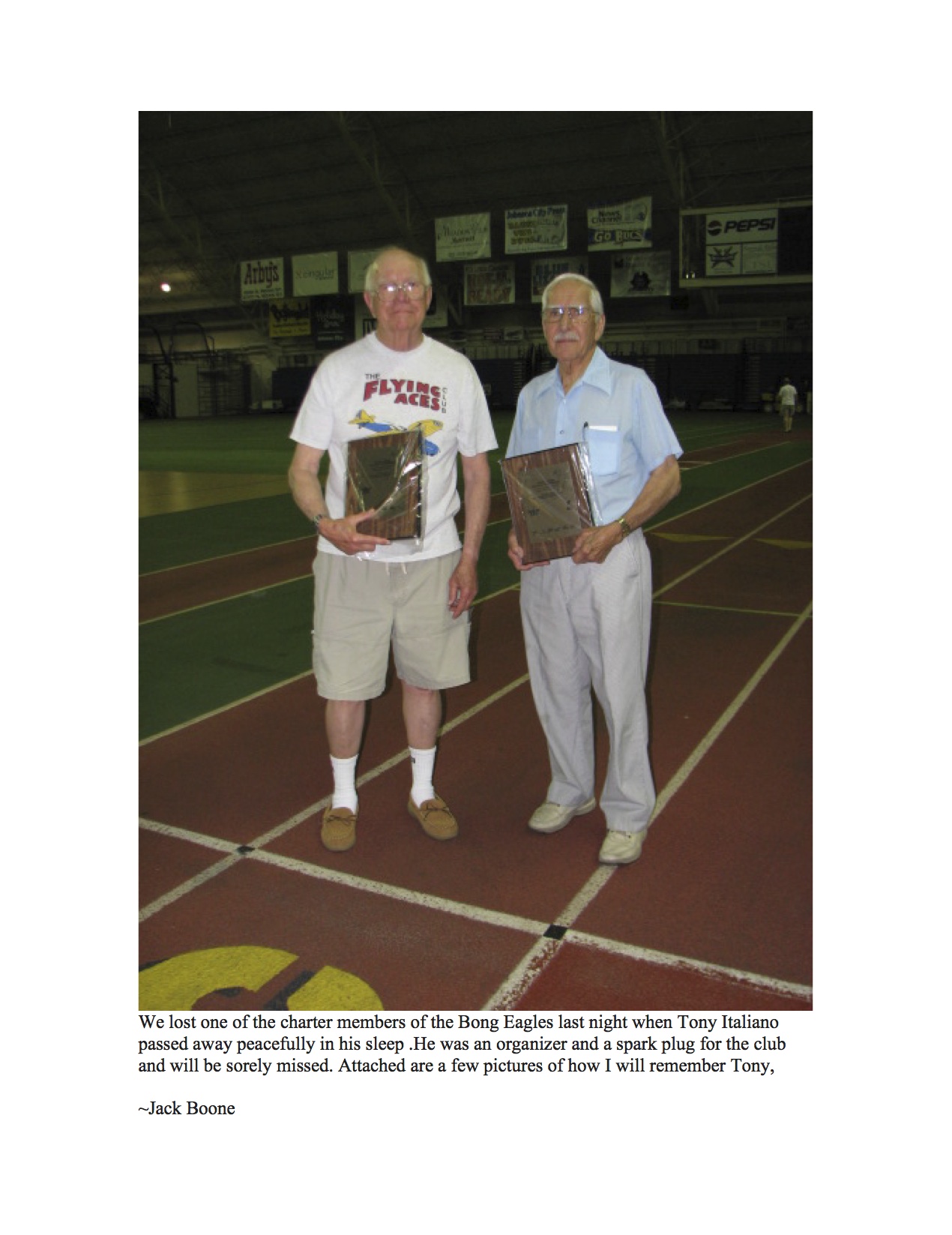
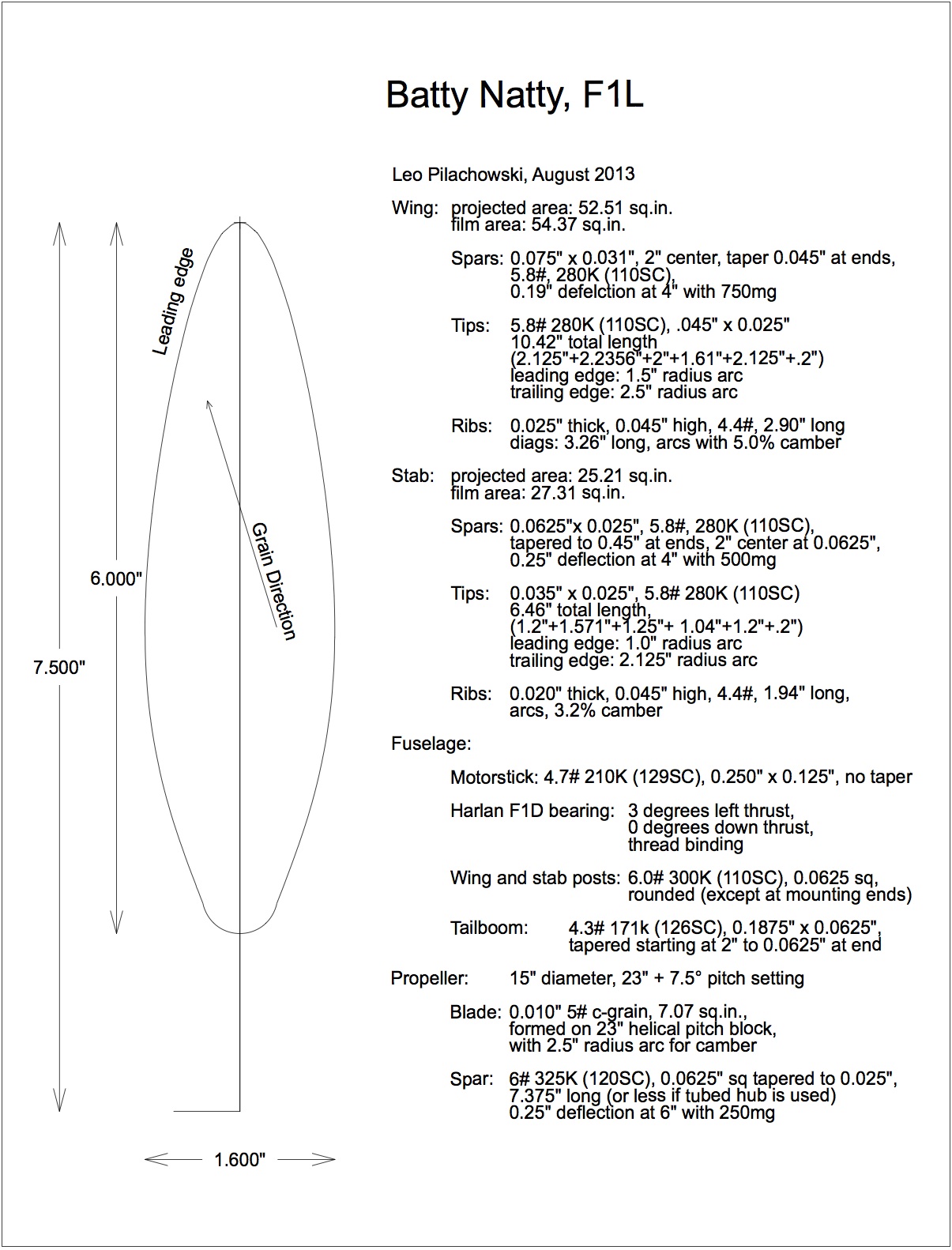
Three Reflections on the Life of Tony Italiano  Tony 1 Tony 2Tony 3 Tony 4 Tony 5

Statuses

Leo Pilachowski’s F1L

In Uncategorized on November 5, 2013 by nicholasandrewray

Leo Pilachowski’s F1L

P1

P2Click here to download a letter size PDF of Leo’s plans and here to download a full scale copy of the plans.

P3

P4

Statuses

How To Make Your Own Aluminum VP Screws

In Uncategorized on October 23, 2013 by nicholasandrewray

How To Make Your Own Aluminum VP Screws

Nick Ray

October 2013

I started making aluminum M1 x 0.2 (1mm in diameter with a pitch of 0.2mm) screws following the 2012 World Championships. I based my screws on Ivan Treger’s plans published in INAV 125. The screws covered in this article match his specifications as exactingly as I can manufacture them. Ivan told me that he had moved away from nylon screws because they are molded rather than cut. Due to the molding process the threads have tiny mold marks that degrade the threads inside the screw holder as the screw is turned. A secondary advantage is that M1 x 0.2 screws have approximately 127 threads per inch. Compared to a 00-90 nylon screw with 90 threads per inch, it is easier to make fine adjustments.  The M1 screws are theoretically slightly heavier than their 00-90 nylon counter parts. However, my milligram scale cannot detect the difference in the finished products. The process of making screws is certainly more time consuming than buying them. Nevertheless, the finished product is more precise and I find a certain charm in making them myself.
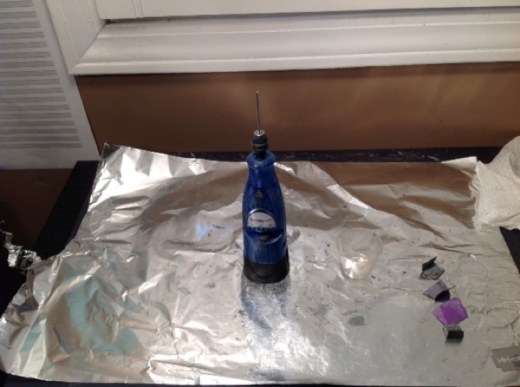
Figure 1: The setup

Figure 1: The setup

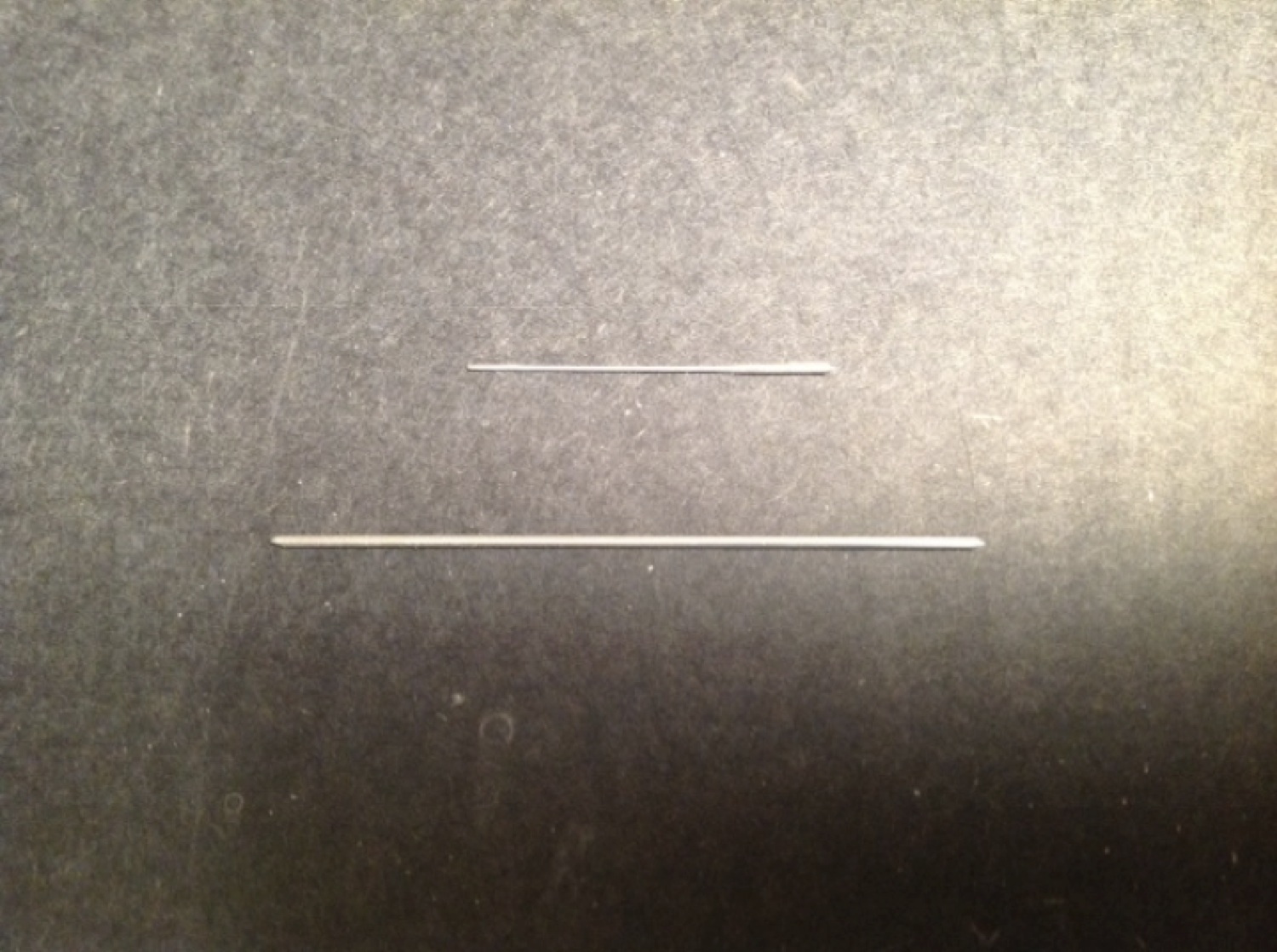
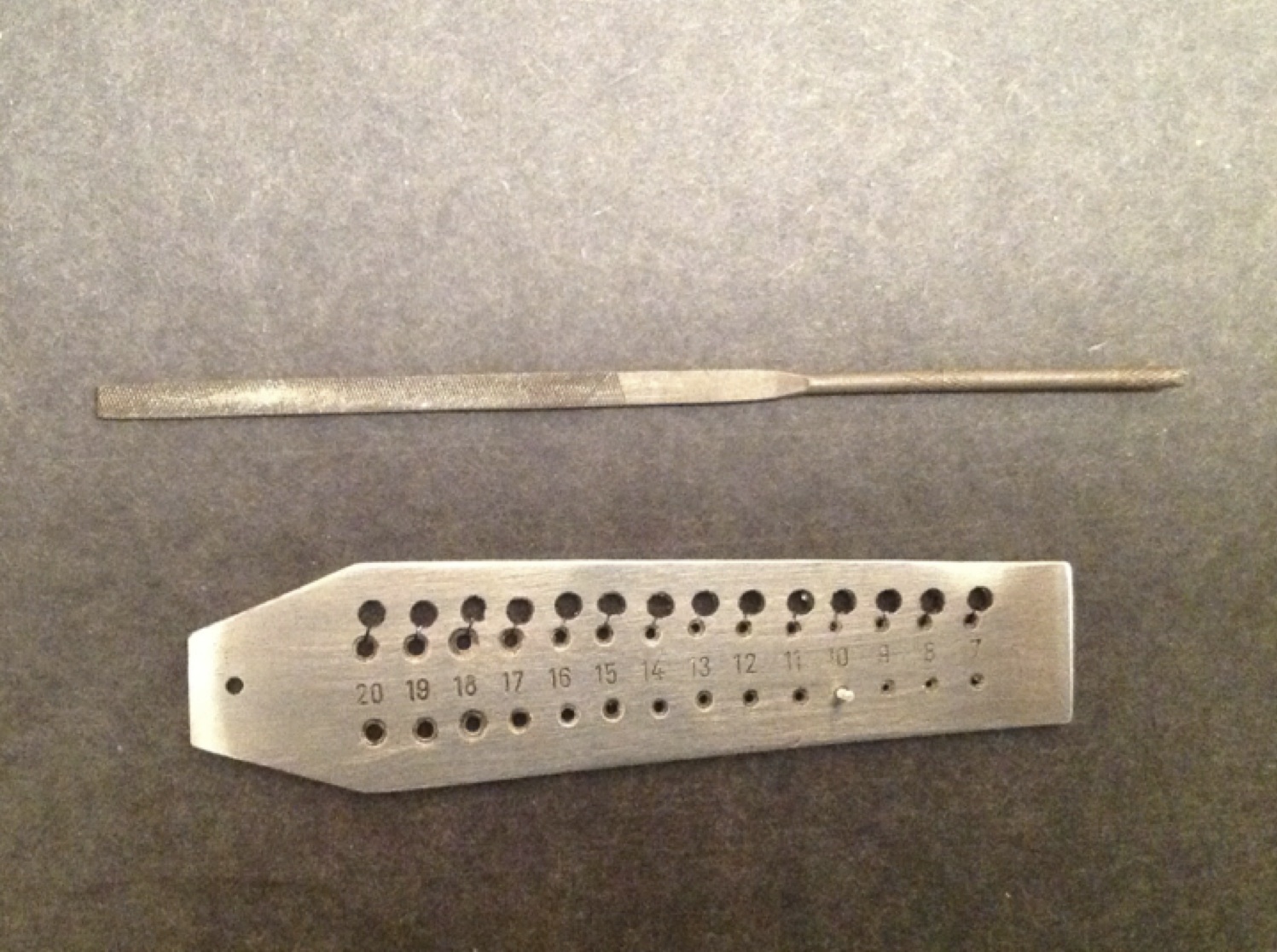
The smallest diameter machinable aluminum rods I have been able to find to date are from K & S Engineering. They can be found at most local hobby shops in the U.S. and online from various sources.  I buy the 1.6mm/0.0625” rods because next size down are too small at 0.8mm/0.03125”.  There are three ways that I know of to reduce the rod diameter to the 1mm/0.0395”diameter required for threading. The rod can be drawn, turned or my personal favorite, abraded, to appropriate diameter. I do not have a lathe, and my draw plate is imprecise, so I use the abrasion method described below.

I start by cutting about a 38mm/1.5” section from the rod and placing the section into my keyless-chuck Dremel. I then take a piece of 80grit wet/dry sandpaper and dampen it with cutting fluid. (Actual cutting fluid is great but olive oil works fine too) Then I turn the Dremel on low and sand the rod uniformly along its length down to about 1.15mm/0.045”. Next, I switch to an intermediate 320grit wet dry paper and repeat the process until the rod is 1.04mm/0.041” in diameter. I finish abrading the rod with 2000grit wet dry sandpaper. It is very important to check the diameter frequently and rewet the paper frequently. The cutting fluid helps to reduce heat, which changes the properties of the aluminum and it keeps the sandpaper form becoming clogged.

Figure 2: The top piece is a finished rod and the bottom is an oversized piece of original stock

Figure 2: The top piece is a finished rod and the bottom is an oversized piece of original stock

Now that I have the material sized correctly, I cut off an approximately 9.5mm/0.375” long segment and chuck it into a pin vise.
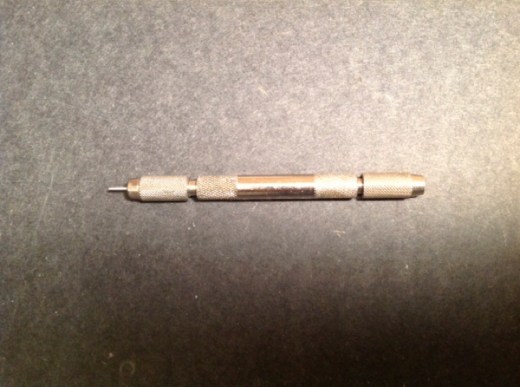
Figure 3: 9.5mm/0.375” x 1mm/0.0395” rod held in pin vise

Figure 3: 9.5mm/0.375” x 1mm/0.0395” rod held in pin vise

It is now time to thread the rod. I bought  a 15 piece tap and die set made by SE from amazon.com. There are several options available, but this seems to be a case where one gets what they pay for. I would discourage anyone from buying the cheapest options available.  The die does not need to be incredibly hard for cutting aluminum threads, but it does need to meet the desired specifications for the screws one wants to make. If the die comes with taps that match the threads it cuts, that is a major plus.

To start, I dip the end of the rod into some cutting fluid and gently turn it clockwise into the die. You should feel rod start to thread. If it does not thread easily check to make sure the rod is sized correctly. My die is not sensitive to burs leftover from cutting the rod to length, though this may be a consideration for some dies. After you have managed about three full rotations, turn the rod counter clockwise to back it out and clean the newly cut threads with cutting fluid. It may help to over lubricate die and wipe off the excess cutting fluid with a rag. Once the threads are clean dip the rod in cutting fluid again resume threading. Keep repeating this process until you have more than enough threads cut to produce a finished screw of your desired length.
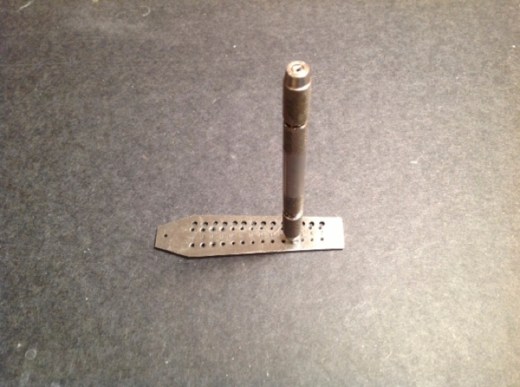
Figure 4: An aluminum rod held in a pin vise being threaded into the thread cutting die
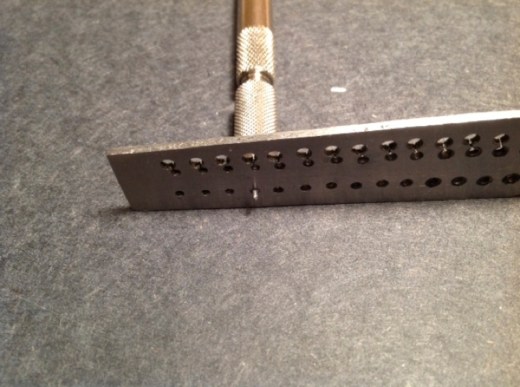
Figure 4: An aluminum rod held in a pin vise being threaded into the thread cutting die

Figure 5: View from the bottom/output side of the die.

Figure 5: View from the bottom/output side of the die.

If you fail to clean out and lubricate the die while you are cutting, the rod may breakoff in the die. Depending on where that happens along the rod, there are a variety of not-so-fun options. The easiest is to cut a slot in the rod and back it out with a screwdriver. If that is not an option, you may be forced to drill through the center of rod, careful to ensure that you do not damage the die, and then clean out the remains of the rod with a tap. If all else fails, buy another die.
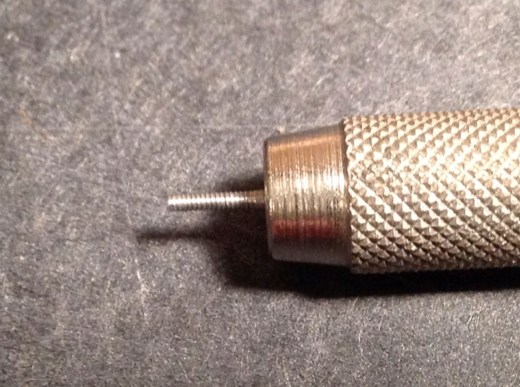
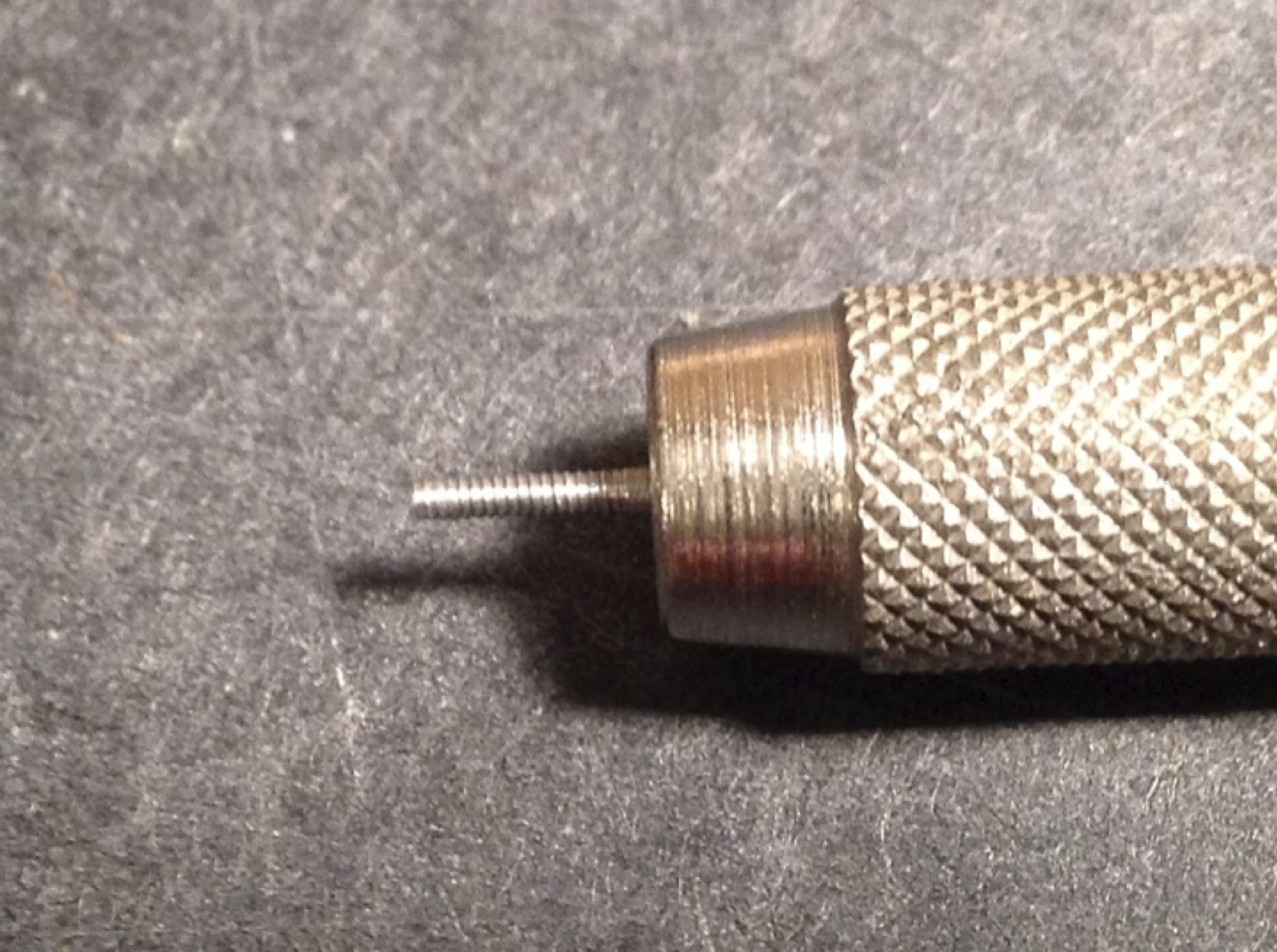
Figure 6: Finished threaded rod held in a pin vise

Figure 6: Finished threaded rod held in a pin vise

To begin the screw head slotting process, finger thread the rod back into the die. If you have something else that is tapped to match your screw you can use that as a screw holder for this part of the process as well.

First, cut off the excess rod about off about 1mm/0.395” above where the threads stop. Then, using a fine metal file, smooth the top of the screw head. One can either leave a little of the unthreaded rod remaining or file the rod down to the threads as Ivan Treger does. If a portion of the unthreaded rod remains, then the screw will stop before it threads too far into the screw holder to be retrieved. The trade off is there is less usable screw per unit weight than there would be if no unthreaded rod were allowed to remain.

Figure 7: Threaded rod hand threaded into the die for making the screw head
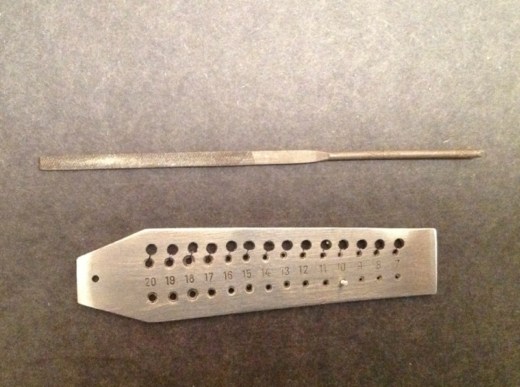
Figure 7: Threaded rod hand threaded into the die for making the screw head

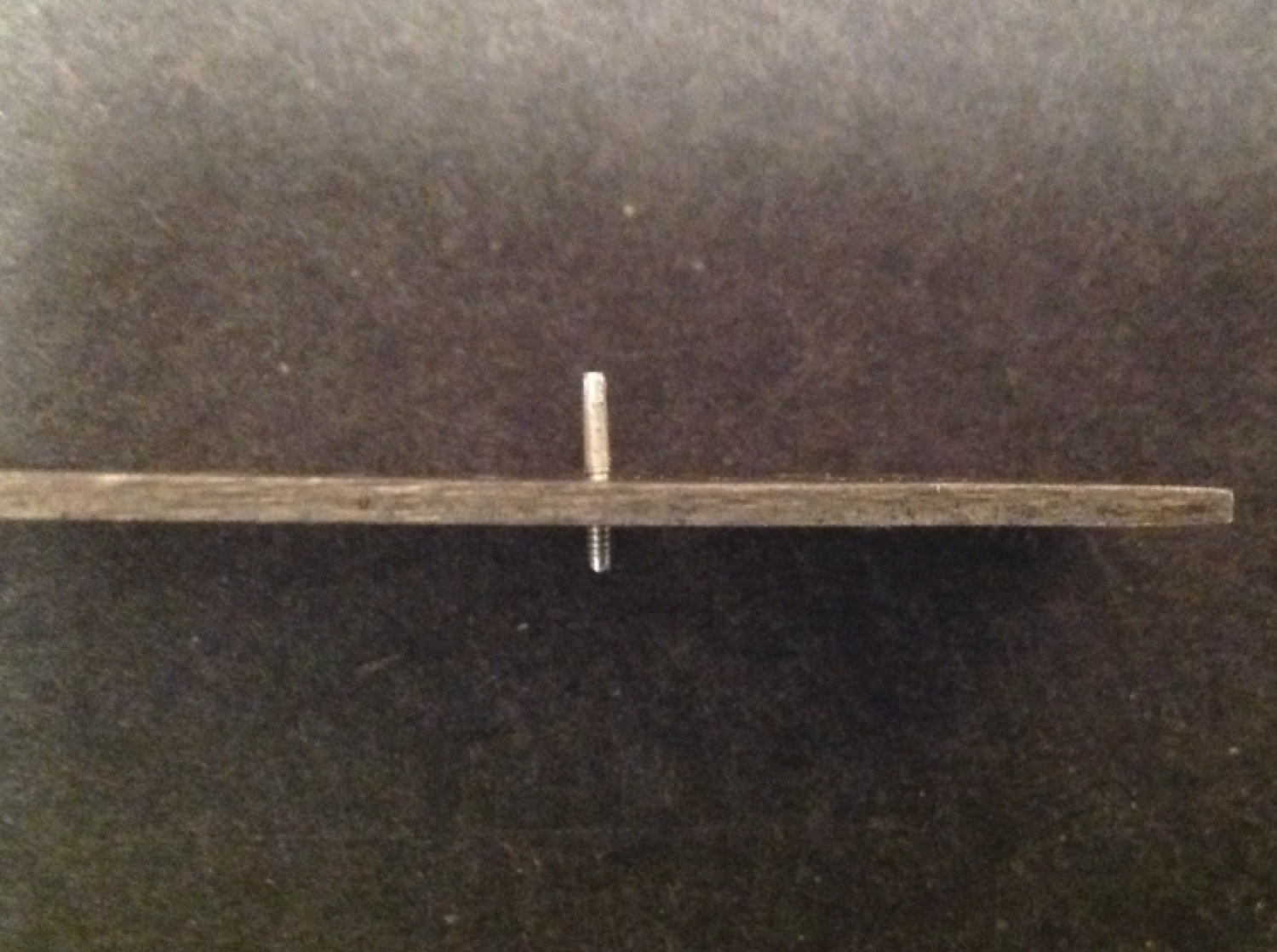
Figure 8: Threaded rod with the top of rod filed smooth

Figure 8: Threaded rod with the top of rod filed smooth

After what will become the head of the screw has been filed satisfactorily smooth, visually divide the top of rod into two equal parts. Use a single edge razor blade to score the top of the rod in the middle. This score mark will guide the saw when starting to cut the slot in the head of the screw.  If your score mark is not perfectly centered then polish it away and try again. I make the heads of my screws first so that I do not have to worry as much about my screw coming out too short if it takes more than one try to get this step correct.

Figure 9: Scored screw head

Figure 9: Scored screw head

Next use a fine Zona or jewelers with about a 0.2mm/0.008” kerf to cut a grove 0.5mm/0.02” deep into the head of the screw. Lastly polish off any burs remaining on the head of the screw with a fine metal cutting file.
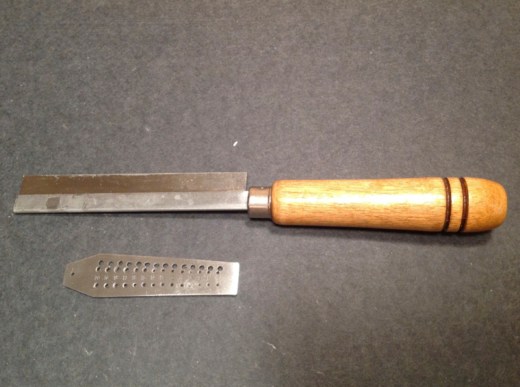
Figure 10: Head slotting saw

Figure 10: Head slotting saw

Figure 11: Finished screw head

Figure 11: Finished screw head

The screw now needs to be filed to the appropriate length. The finished length of your screw will depend on the design of your hub. The rule of thumb that I like to use is when your low and high pitch screws are turned completely in, they should stop the prop from changing pitch. The spring screw should be long enough that when it is turned completely in, the spring should be at its maximum range of travel.  If you are following Ivan Treger’s plans this will mean that your high and low pitch stop screws will be 2.3mm/0.091” long and your spring screw will be 3.5mm/0.138” long.

I use a fine metal file to size the screw to the desired length. It is critical that the finished screw bottom be perfectly flat. If it is not, adjustments will be inconsistent as the screw is turned. It may help to visually line the file up parallel to the die. Turn the screw periodically to make sure that while the screw is flat when looking at from one direction, it does not become uneven from another.

If you are making a low or high pitch stop screw, you are now done. However, if you are making a spring screw there are still a few steps remaining.
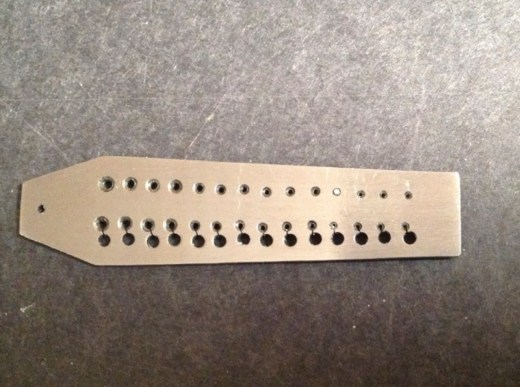
Figure 12: The bottom of the screw after filing it down to the appropriate length

Figure 12: The bottom of the screw after filing it down to the appropriate length

To being making a hole for the terminal end of the spring, first locate the center of the screw and use a pin to score the center so that the drill bit does not wander. Then use a 0.4mm/0.0157” drill bit to make a hole 1mm/0.0395” deep into the center of the screw. I have found it helpful to place a drop of cutting fluid on the tip of the drill bit once I get the hole started, to reduce friction and to keep the screw from backing out of the die. Take care to keep the drill centered so as not to destroy the screw or the die. Finish the screw by gently polishing off any burs on the bottom of the screw with a fine metal file.

Figure 13: Bottom of spring screw and scoring pin
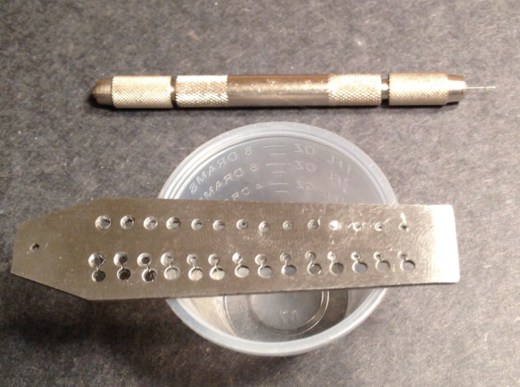
Figure 13: Bottom of spring screw and scoring pin

Figure 14: Pin vise with 0.4mm/0.0157” drill bit
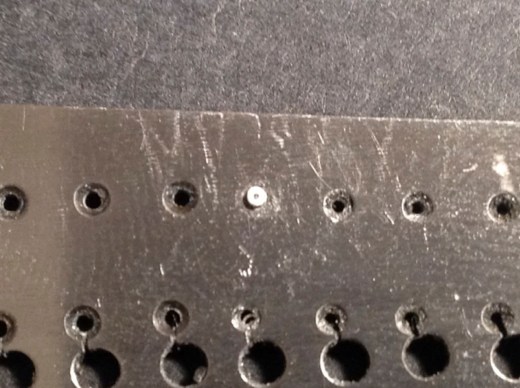
Figure 14: Pin vise with 0.4mm/0.0157” drill bit

Figure 15: Finished spring screw viewed from the bottom
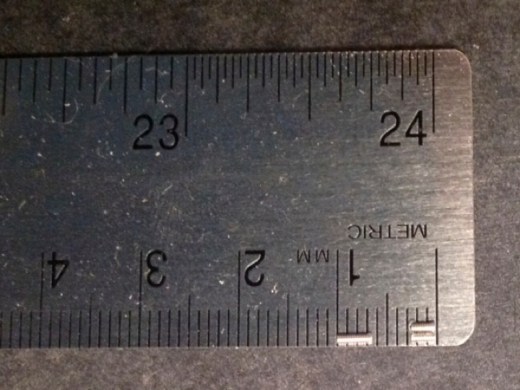
Figure 15: Finished spring screw viewed from the bottom

Figure 16: Finished screws: spring screw on the left and low and high pitch stop screws on the right

Figure 16: Finished screws: spring screw on the left and low and high pitch stop screws on the right


Statuses

Yuan Kang Lee’s F1D

In Uncategorized on September 26, 2013 by nicholasandrewray


Yuan Kang Lee’s F1DKang 2013 F1D FinalClick here to download a PDF of Kang’s plan.